
The Role of Luck in Gambling
Luck is often viewed as a primary factor in many forms of gambling, particularly in a casino setting. The alluring notion that fortune can swing in one’s favor is what draws millions to slot machines, card tables, and roulette wheels each year. Players frequently romanticize the idea of luck, believing that a chance encounter or an unexpected windfall can dramatically change their fortunes, much like finding casinos sister sites that offer new opportunities for enjoyment and wins. This belief in luck creates a thrilling atmosphere, enhancing the excitement and anticipation that accompanies gambling.
However, while luck may seem to play a significant role, it is essential to recognize that most casino games are designed with a house edge. This mathematical advantage ensures that, over time, the casino will profit from the games offered. Even the most fortunate player will find that luck can only carry them so far before the statistical probabilities begin to take effect. Understanding the delicate balance between luck and probability is crucial for any serious gambler aiming for long-term success.
Moreover, the psychological effects of luck cannot be overlooked. Players often attribute their successes to luck while blaming their losses on factors beyond their control, such as bad luck or unfavorable odds. This cognitive distortion can lead to a false sense of security, prompting individuals to continue gambling in hopes that their luck will turn. Ultimately, recognizing luck’s limitations while understanding the systems at play can empower players to make more informed decisions.
The Impact of Strategy on Casino Outcomes
While luck might play a part in individual games, strategic planning is another critical component when it comes to achieving casino success. Players who take the time to learn the rules, develop strategies, and understand the odds of the games they choose to play often find that their chances of winning improve significantly. For instance, seasoned poker players can employ tactics such as bluffing and reading opponents to gain an edge over competitors that an ordinary player might lack.
In games like blackjack, employing strategies such as card counting can further diminish the house edge, showcasing how skillful play can impact outcomes more than mere luck. In this way, a well-educated player not only minimizes losses but can also maximize winnings through the application of sound strategies. This balance of skill and luck demonstrates that while fortune might influence immediate results, consistency and knowledge are instrumental for long-term success.

Additionally, strategic players often set strict budgets and limits on their gambling activities, which can enhance their overall experience. By managing their bankrolls effectively, they can minimize the impact of bad luck and maintain a more positive gaming experience. This approach fosters a sense of control and discipline, allowing players to remain engaged without succumbing to the highs and lows that luck can bring.
The Influence of Game Selection on Winning
The types of games individuals choose to play also significantly impact their outcomes in a casino. Some games possess a much higher house edge than others, meaning that luck alone will not suffice for successful gambling in those scenarios. For example, while slot machines are often associated with luck, their high house edge means that players may lose money quickly if they do not approach them wisely. In contrast, table games like poker or blackjack offer better odds, making them more favorable for skilled players.
Understanding the nuances of each game is essential for any serious casino-goer. When players select games that align with their expertise and knowledge, they improve their chances of success. This strategic alignment between a player’s skill set and game choice can mitigate the influence of luck, leading to more favorable results over time. As such, selecting games based on their inherent odds can be viewed as a crucial part of a successful gambling strategy.
Ultimately, knowledge of various games and their odds equips players with the information necessary to navigate the often unpredictable terrain of casino gambling. Players who engage in thorough research and practice their skills regularly are more likely to make informed decisions that increase their chances of winning. Thus, while luck undoubtedly plays a role, the ability to select the right games intelligently can pave the way for casino success.
The Psychological Aspects of Gambling
The psychological component of gambling adds another layer to the question of luck and success in casinos. Emotions such as excitement, fear, and hope can dramatically influence players’ decisions at the gaming table. Often, belief in luck can create a sense of euphoria, making players more willing to take risks. This emotional element can lead to a cycle of chasing losses and overly optimistic gameplay, which can be detrimental in the long run.
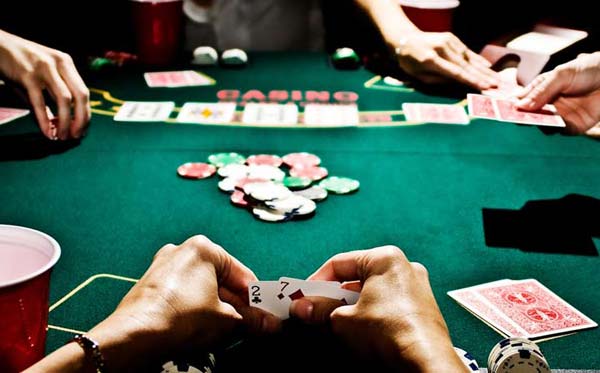
Moreover, the phenomenon of “gambler’s fallacy” showcases how misconceptions about luck can affect decisions. Many players believe that past outcomes influence future events, leading them to make irrational bets based on their “lucky streaks” or “unlucky spells.” Recognizing these psychological traps can help players maintain a rational approach, leading to better decisions based on statistical realities rather than emotional impulses.
Furthermore, responsible gambling practices can mitigate the risks associated with these psychological aspects. Understanding one’s limits, taking breaks, and balancing gambling with other life activities allow players to enjoy the thrill of the casino without falling prey to the emotional rollercoaster that luck can create. By cultivating a healthy mindset and maintaining control, players can navigate the gambling experience more effectively, enhancing their overall satisfaction and reducing the stress that often accompanies a luck-based approach.
Exploring Online Resources for Casino Players
In today’s digital age, numerous online resources offer valuable insights for casino enthusiasts interested in understanding the dynamics of luck, strategy, and psychology in gambling. Websites dedicated to gambling education provide a wealth of information regarding game strategies, odds, and psychological tactics, empowering players to learn about the nuances of each game. Many platforms also offer forums and communities where players can exchange experiences and tips, fostering a sense of camaraderie among gaming enthusiasts.
Additionally, online tutorials and simulations allow novice players to practice their skills without the pressure of real-money gambling. These resources can serve as a bridge for players to gain confidence and develop their strategies in a risk-free environment. By utilizing these tools, individuals can enhance their understanding of both the role of luck and the importance of skill in achieving success at casinos.
Finally, responsible gambling sites play a crucial role in promoting healthy gaming habits by providing guidelines on setting limits and recognizing signs of problem gambling. By encouraging players to stay informed and practice safe gaming, these websites contribute to a more positive overall experience in the world of gambling. In conclusion, the blend of luck and strategy is a delicate dance, but with the right resources at hand, players can position themselves for success while enjoying their gaming endeavors.