
The Role of Luck in Casino Games
Luck is often deemed the most crucial factor influencing outcomes in casino games. Whether spinning the reels of a slot machine or playing a hand of blackjack, players frequently attribute their wins or losses to fortune. In many games, the odds are stacked in favor of the house, meaning that despite players’ skills and strategies, luck plays an undeniable role. For example, in games like roulette or slots, the randomness of outcomes reinforces the idea that chance is a vital element in achieving success, especially when considering options like neosurf casino australia which can enhance the gaming experience.
However, attributing success solely to luck can be misleading. While luck can result in short-term wins, particularly in games of chance, long-term success typically depends on understanding the game mechanics, strategies, and bankroll management. A player who acknowledges the role of luck can make more informed decisions on when to bet high or low, and when to walk away. This nuanced approach can lead to a more sustainable gambling experience.
Moreover, the psychology of luck plays a significant role in how players perceive their situations in casinos. Many gamblers believe in ‘lucky streaks’ or the idea that certain actions can influence luck, such as choosing specific machines or tables. This belief can lead individuals to develop personal rituals or superstitions that they feel enhance their chances of success. These perceptions create a complex relationship with luck that goes beyond mere chance, merging emotional and cognitive aspects of gambling behavior.
Skill vs. Luck: Finding the Balance
In the debate of skill versus luck, the type of game being played significantly influences which factor may have a greater impact. Table games like poker or blackjack rely heavily on strategy and player skill. A skilled poker player can consistently outperform less experienced opponents, demonstrating that while luck may influence individual hands, long-term success is tied to one’s ability to read opponents, calculate odds, and employ optimal strategies. This skill-based approach allows seasoned players to mitigate the whims of chance.
On the other hand, games like slots and keno are purely chance-based. With no control over the results, players must rely entirely on luck. The randomness of these games creates an environment where strategy cannot change the outcome, making them less favorable for players who prefer skill-based strategies. Nevertheless, the sheer thrill and excitement of hitting a jackpot can often lure players, appealing to their desire for a big win fueled solely by chance.

Finding a balance between luck and skill is crucial for any player. By understanding the nature of the games they choose and employing strategies where applicable, players can optimize their betting practices. Knowledge of games can enhance one’s experience and potentially lead to better outcomes, regardless of whether luck is on their side. Furthermore, practicing disciplined bankroll management can allow players of all skill levels to enjoy their time at the casino responsibly, recognizing the unpredictability of games.
The Influence of Casino Environment on Luck
Casinos create environments designed to enhance the sense of luck and excitement among players. The use of bright lights, catchy sounds, and immersive themes engages players and heightens their sense of anticipation. Such environments can influence player emotions and decision-making, making them feel luckier or more willing to take risks. This perception can lead players to gamble more than they otherwise would, under the assumption that luck might be on their side due to the enticing atmosphere.
Moreover, the social aspect of gambling also plays a significant role in how players perceive luck. Engaging with fellow gamblers can create a sense of camaraderie, leading to shared stories of luck and wins. This social proof can foster a belief in ‘lucky days’ or ‘hot tables,’ where players feel that fortune must be present due to the collective excitement of surrounding patrons. Such beliefs can further impact individual behavior and betting patterns, creating an environment where luck feels more palpable.
However, it is essential for players to maintain awareness of the distinction between perception and reality. While the casino environment may enhance the feeling of luck, responsible gambling practices should always prevail. Understanding that the odds remain the same regardless of the atmosphere can help players make smarter betting choices and avoid falling into traps of emotional gambling driven by the allure of luck.
The Impact of Technology on Luck
In recent years, advancements in technology have transformed the gambling landscape. Online casinos and gaming apps have introduced algorithms and random number generators that govern game outcomes, ensuring fairness while maintaining the element of chance. Players can experience the thrill of gambling from the comfort of their homes, with the experience aimed at maximizing entertainment while recognizing the importance of luck. This shift has made it easier for individuals to access games and potentially enjoy the thrill of luck in new ways.
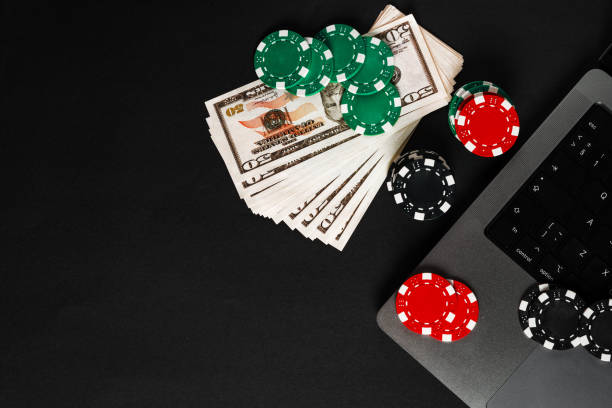
However, the increase in online gambling also brings challenges. Players may become more susceptible to chasing losses due to the convenience of gaming websites. The illusion of luck can compel players to believe that they are just one spin or hand away from a big win. This detachment from the physical environment of a casino can lead to excessive gambling behaviors, as players may find it easier to lose track of time and money.
Furthermore, the rise of live dealer games bridges the gap between traditional casinos and online gaming. These games combine the excitement of a real-life dealer with the convenience of online gambling, allowing players to engage in games of chance while feeling more in control. Understanding the odds and limitations of luck, even in this format, can lead to healthier gambling habits and a more balanced approach to luck and skill in casino gaming.
Understanding Responsible Gambling Through Luck
Ultimately, a balanced understanding of both luck and skill can significantly promote responsible gambling. Casinos often emphasize the importance of knowing one’s limits and playing within one’s means, which can be pivotal in ensuring a fun and safe gaming experience. Recognizing that luck is a transient aspect of gambling can help individuals make more rational decisions when playing. Adopting a mindset that separates luck from financial expectations can prevent disappointments and emotional distress associated with gambling losses.
The role of education in promoting responsible gambling cannot be overstated. Many casinos provide resources and support for players to better understand the games they play, the odds involved, and the nature of luck. Educational initiatives can empower players, helping them to better navigate the complexities of gambling and understand that luck is just one part of the broader gaming experience.
Moreover, adopting a mindset that prioritizes enjoyment over financial gain can lead to more fulfilling experiences in casinos. This shift in perspective allows players to appreciate the entertainment value of games, irrespective of the outcomes. Success in gambling should be defined by the enjoyment and engagement in the experience rather than solely by monetary winnings, fostering not only a healthier relationship with luck but also with the activity as a whole.