
Debunking common myths about casinos What you really need to know
Understanding the Odds
One of the most pervasive myths about casinos is that players can consistently beat the odds through strategy or luck. Many believe that if they just play long enough, they will eventually win. However, each game has a built-in house edge, which means that over time, the casino will always make a profit. For instance, in games like roulette or slots, the odds are calculated to ensure that the house will come out ahead regardless of individual player success. It’s vital for players to be aware of resources like the top 10 football betting sites, which can provide insights into responsible gambling practices.

Moreover, the concept of “hot” or “cold” machines is misleading. Many gamblers think they can predict when a slot machine is about to pay out based on its recent performance. In reality, these machines use random number generators that operate independently of past outcomes. Therefore, the idea of timing your play based on previous results is not only flawed but also leads to unrealistic expectations of winning.
Understanding the odds is crucial for any player. While it’s essential to enjoy the games, it’s equally important to recognize that they are primarily designed for entertainment rather than profit. Knowledge of how odds work can help players make informed decisions, allowing them to manage their bankroll better and potentially prolong their gaming experience without falling prey to misconceptions.
The Myth of the ‘Gambler’s Fallacy’
The gambler’s fallacy is a widely accepted belief that past events can influence future outcomes in random games. For instance, if a roulette wheel has landed on red several times in a row, some might believe that black is ‘due’ to hit next. This mindset is not just misleading; it completely misunderstands the nature of probability. Each spin of the wheel is an independent event, and the past results have no bearing on future ones.
This fallacy can lead to reckless betting behaviors and significant financial losses. Players may increase their stakes in an attempt to compensate for perceived ‘losses’ or chase their wins, which is a dangerous cycle. It’s important to understand that every roll of the dice or spin of the wheel is a separate event, and the odds remain constant no matter how many times a particular outcome occurs.
Recognizing the gambler’s fallacy can help players maintain a healthier attitude toward gambling. By grounding their expectations in reality, players can enjoy the thrill of the games without succumbing to the psychological traps that often lead to poor decision-making. Education about probability and game mechanics can be a game-changer in fostering a more responsible gambling approach.
The Illusion of Control
Many players believe they can control the outcome of their games through strategies or personal rituals. This myth perpetuates the idea that skill can overcome luck, particularly in games predominantly governed by chance, like slots or lotteries. Players might think that by choosing specific numbers or performing certain actions, they can sway outcomes in their favor. This illusion of control can lead to addictive behaviors and heightened emotional responses during gameplay.
In reality, while games like poker do involve a degree of skill, most casino games are designed to be random. This randomness ensures fairness and unpredictability, making it impossible for players to control the results. Instead of focusing on perceived control, players should recognize the importance of luck in these games and approach them as forms of entertainment rather than sure-win opportunities.
Understanding the limits of personal influence can help players develop a more balanced perspective on gambling. By accepting that luck plays a significant role, individuals can enjoy the thrill of gaming without the burden of unrealistic expectations. Embracing this mindset can lead to a more fulfilling and less stressful gambling experience overall.
The Social Stigma Surrounding Gambling
Society often views gambling through a negative lens, associating it with addiction, crime, and financial ruin. While it’s true that gambling can lead to serious problems for some individuals, it is essential to recognize that not all gambling is harmful. Many people enjoy gaming as a recreational activity without negative consequences. The stigma can prevent individuals from discussing their gaming habits openly and seeking help when needed.
Understanding the social implications of gambling can encourage responsible behaviors and promote healthier attitudes. Education and open dialogue about gaming can help demystify these activities and foster a culture of responsibility. For many, gambling can be a fun social outing, akin to watching a sports game or attending a concert, when approached with the right mindset and limits in place.
Furthermore, acknowledging the positive aspects of gambling can help reduce the stigma. Many casinos offer entertainment, dining, and other amenities that contribute to local economies and provide jobs. When recognized for its broader context, gambling can be seen as a legitimate form of entertainment rather than a moral failing.
Resources for Responsible Gambling
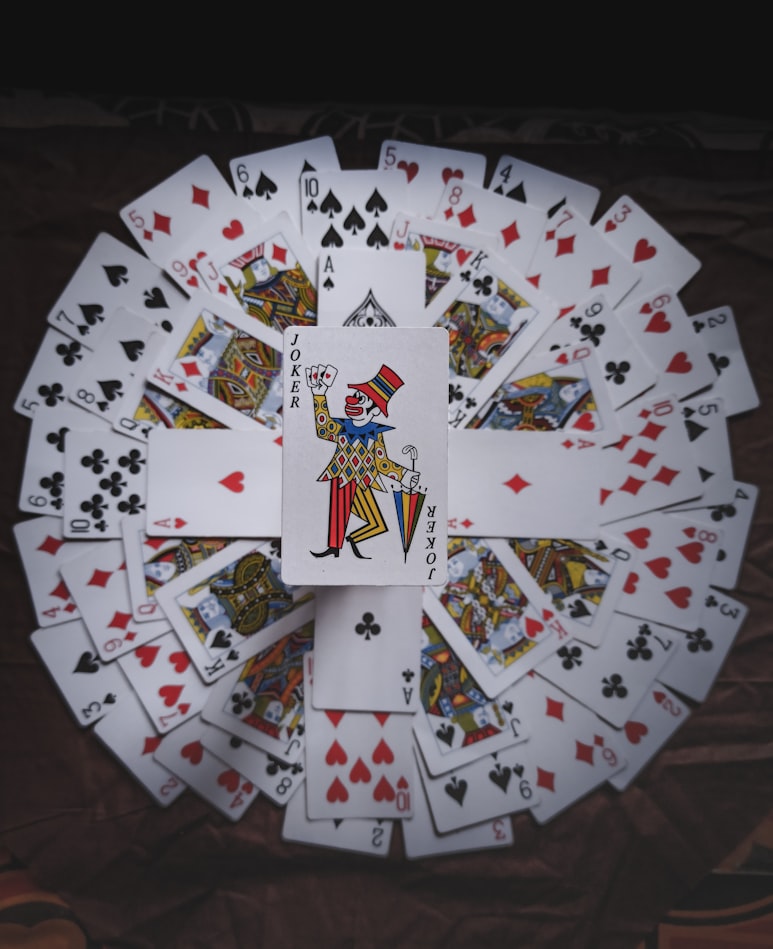
As discussions about casinos evolve, so does the need for resources that promote responsible gaming. Numerous organizations are dedicated to helping individuals understand gambling’s risks and develop healthy habits. These resources can offer educational materials, counseling, and support for those who may struggle with compulsive behaviors. Players should seek out these tools to foster a balanced approach to gaming.
Many casinos themselves have implemented responsible gambling initiatives, providing players with information about setting limits and recognizing warning signs of problem gambling. These measures are crucial in creating an environment that prioritizes player well-being. Players should take advantage of these offerings to enhance their understanding and enjoyment of the gaming experience.
In conclusion, responsible gambling is achievable through education and self-awareness. By exploring resources and participating in conversations about gaming habits, individuals can promote healthier attitudes towards casinos and gambling. With the right tools, players can enjoy the thrill of gaming while minimizing potential negative impacts.