
The evolution of gambling A historical perspective on risk and reward
The Origins of Gambling
The origins of gambling can be traced back to ancient civilizations where chance games were prevalent. Archaeological evidence suggests that dice made from animal bones date back to at least 3000 BC in Mesopotamia. These early forms of gambling were often tied to religious practices and were seen as a way to predict the will of the gods. The fascination with luck and fate laid the groundwork for the complex systems of risk and reward we see today. In the modern era, players can explore options at mrwildz casino, which showcases a vast array of games appealing to contemporary tastes.
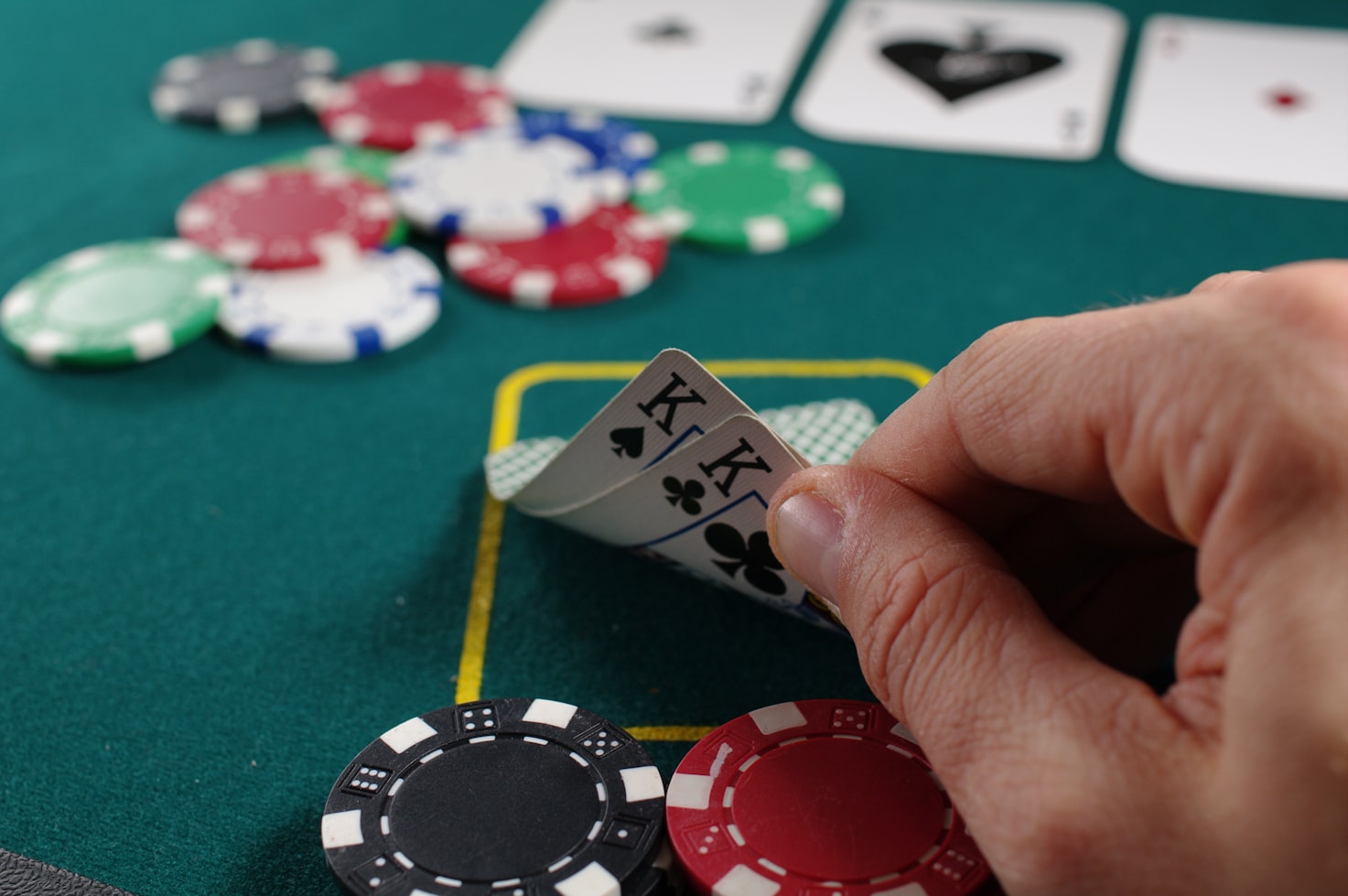
In ancient China, around 200 BC, the earliest known lottery was created to finance major projects like the Great Wall. This lottery system represented a shift from simple games of chance to organized forms of gambling, reflecting how society began to intertwine chance with economic and social structures. Such developments demonstrated the inherent human desire to take risks for potential rewards, a principle that remains central to gambling today.
As civilizations progressed, gambling spread across different cultures. The Romans introduced betting on gladiator games, while in medieval Europe, games like chess and card games became popular. Each iteration brought its own set of rules, strategies, and social implications, transforming gambling from a solitary activity into a communal experience, thereby solidifying its place in human history.
The Rise of Modern Gambling
The 17th and 18th centuries marked a significant evolution in gambling with the establishment of formal betting houses and casinos in Europe. This period saw the introduction of roulette and blackjack, which became staples of casino gaming. These establishments catered to a growing middle class eager to engage in leisure activities, showcasing gambling as a form of entertainment rather than mere chance.
Moreover, the invention of the printing press enabled the spread of gambling literature, allowing players to learn about strategies and odds. The allure of these games attracted both enthusiasts and opportunists, leading to the proliferation of gambling houses. However, this growth was met with controversy, as religious and societal factions began to critique gambling’s moral implications, leading to periods of regulation and prohibition.
As the 19th century approached, the industrial revolution played a crucial role in reshaping gambling dynamics. Increased mobility and urbanization allowed for the rise of racetracks and gambling parlors. The introduction of betting on horse races solidified the concept of legalized gambling, creating new opportunities for individuals to engage in risk-taking behaviors. This period laid the foundation for the modern gambling landscape we recognize today.
The Impact of Technology on Gambling
The advent of technology in the late 20th century revolutionized the gambling industry. The introduction of video lottery terminals and electronic gaming machines offered new ways to engage with games of chance. Players were no longer confined to traditional betting houses; the convenience of technology allowed them to gamble from anywhere, significantly expanding the market.
With the rise of the internet, online gambling emerged in the late 1990s, leading to a seismic shift in how people approached gambling. Online casinos began offering a plethora of games, including slots and poker, accessible from the comfort of home. This shift democratized gambling, enabling a broader audience to participate without the need for physical travel, thus amplifying both risk and potential reward.
Today, mobile technology continues to transform the gambling experience. With smartphones and apps, users can now gamble anytime and anywhere, making it easier than ever to engage in risk-taking behavior. As technology evolves, the gambling industry is likely to integrate even more advanced technologies, including virtual reality, which promises to create immersive experiences that further blur the lines between reality and chance.
The Psychology of Gambling
The psychological aspects of gambling play a crucial role in understanding why individuals engage in such activities. Factors such as thrill-seeking behavior and the desire for social connection drive many to gamble. Studies have shown that the brain’s reward systems are activated when engaging in gambling activities, producing feelings of excitement and pleasure that can be addictive.
Moreover, cognitive biases, such as the illusion of control and gambler’s fallacy, influence how individuals perceive their odds of winning. These misconceptions often lead players to take greater risks, believing they can manipulate outcomes or that a win is “due.” Such psychological factors complicate the relationship between risk and reward, emphasizing the need for responsible gambling practices.
As society continues to recognize the impact of gambling on mental health, there are growing calls for increased education on the risks involved. Understanding the psychology behind gambling can empower individuals to make informed choices, balancing the allure of potential rewards with the realities of loss and risk.
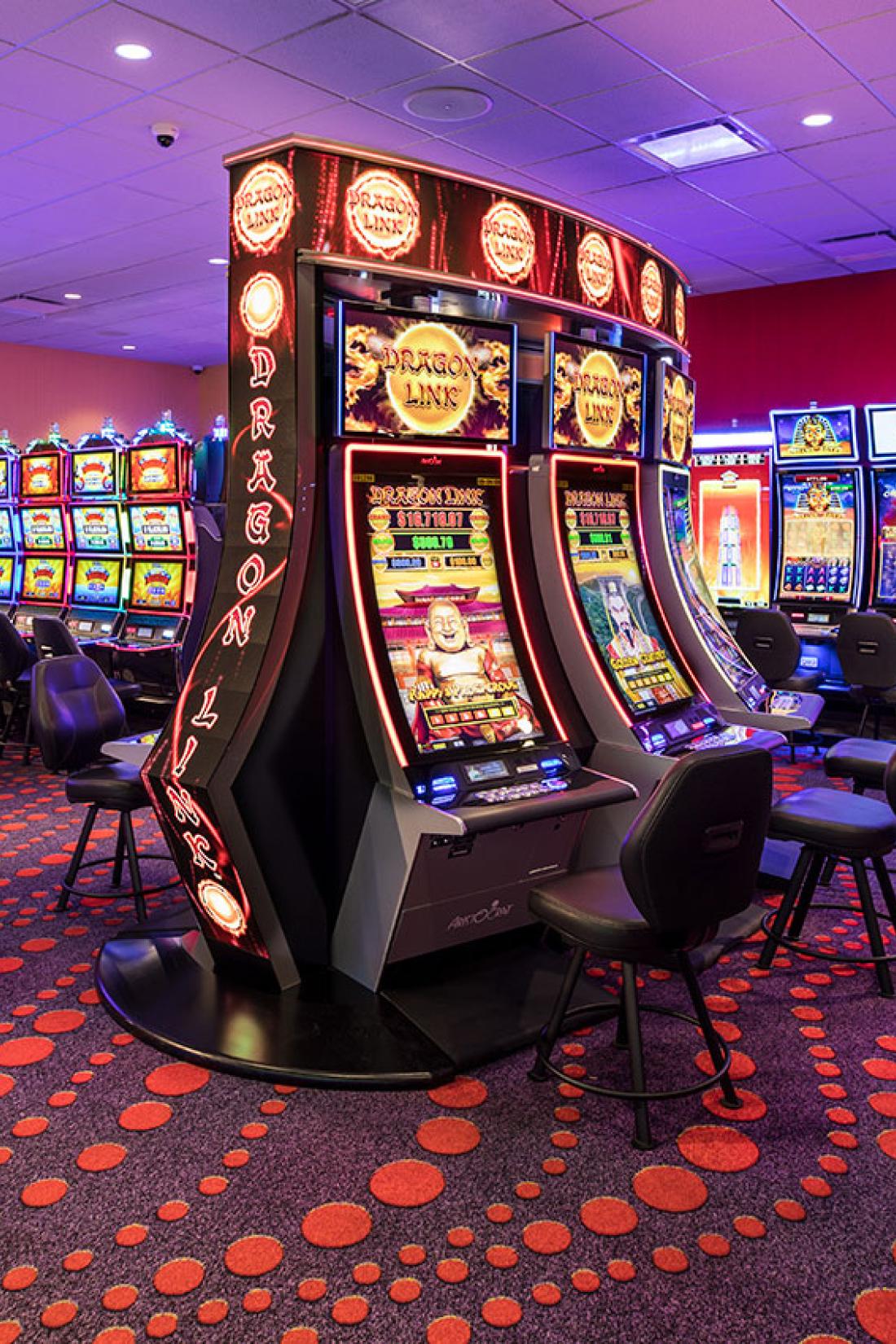
Exploring Online Gambling with MrWildz Casino
MrWildz Casino represents a modern iteration of the gambling evolution, bringing together technology, security, and a diverse gaming experience. With over 4,000 slot games available from leading developers, it caters to a wide range of preferences, offering players the thrill of chance with the comfort of online access. The platform’s user-friendly interface is designed to enhance the overall experience, making it accessible to both seasoned gamblers and newcomers.
One of the standout features of MrWildz Casino is its commitment to security and fairness. Operating under a licensed framework, it ensures a safe gaming environment, allowing players to engage confidently. Coupled with 24/7 customer support, players can easily navigate any issues, fostering a trustworthy relationship between the platform and its users.
In addition to its extensive game selection, MrWildz offers generous bonuses, such as welcome offers that provide substantial incentives for new players. This focus on player engagement reflects an understanding of the need for risk and reward, reinforcing the idea that gambling can be both thrilling and enjoyable when approached responsibly. As the world of gambling continues to evolve, platforms like MrWildz lead the way in redefining the experience.